The world around us is constantly changing, and the arts milieu is no exception. Starting January 1, 2022, the Conseil will use the name “non-traditional artistic practices” to refer to what it used to call “new artistic practices.”
Why the change?
To better reflect the realities of the new artistic practices and multidisciplinary sectors, which have seen major transformations in recent years, the names and definitions used for these two categories have been revised. The changes come in response to the recommendations of the evaluation committee for new artistic practices and multidisciplinary sector practices, chaired by Marie-Christine Dufour.
New definition of non-traditional artistic practices:
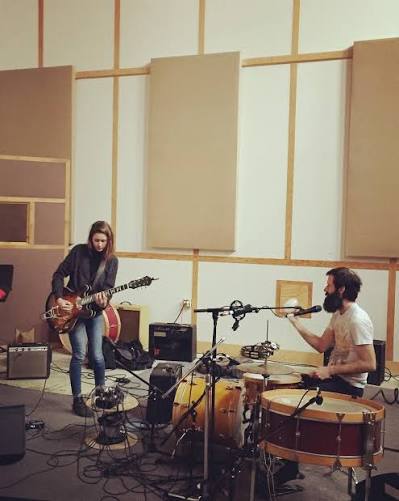
Non-traditional artistic practices are generally characterized by the exploration of new research, creation or production practices, experimentation with novel collaborations and/or innovative presentation methods. They reflect a desire to break out of traditionally supported disciplines and to juxtapose or merge them.
The artistic process that lies at the heart of these practices reveals an intention to challenge existing and established frameworks, including the performance venue or non-venue, stakeholders and their roles, and the encounter (or non-encounter) with spectators or an audience. They can include but are not limited to the following: interdisciplinary or multidisciplinary art, politically or socially engaged art, relationship-based or community-based art as well as collaborations between art and other spheres of society (science, sports, environment, technology, etc.) and rituals.
Impact on the application and evaluation processes
If your organization or collective previously applied in the New artistic practices category, your application will be transferred automatically to the non-traditional artistic practices category. Your future applications will be evaluated by a distinct, newly created committee in charge of non-traditional artistic practices. We remind you that the choice of discipline that you identify for your practices and for which you wish to be evaluated is entirely up to you.
If your organization or collective previously applied in the multidisciplinary category, your application will continue to be evaluated in the same category, the name and definition of which have not changed. However, from now on your future applications will be evaluated by a distinct committee in charge of the multidisciplinary category. The two committees will be chaired by a single person, but the evaluation process will be distinct and carried out by separate peer evaluators.
Any questions?
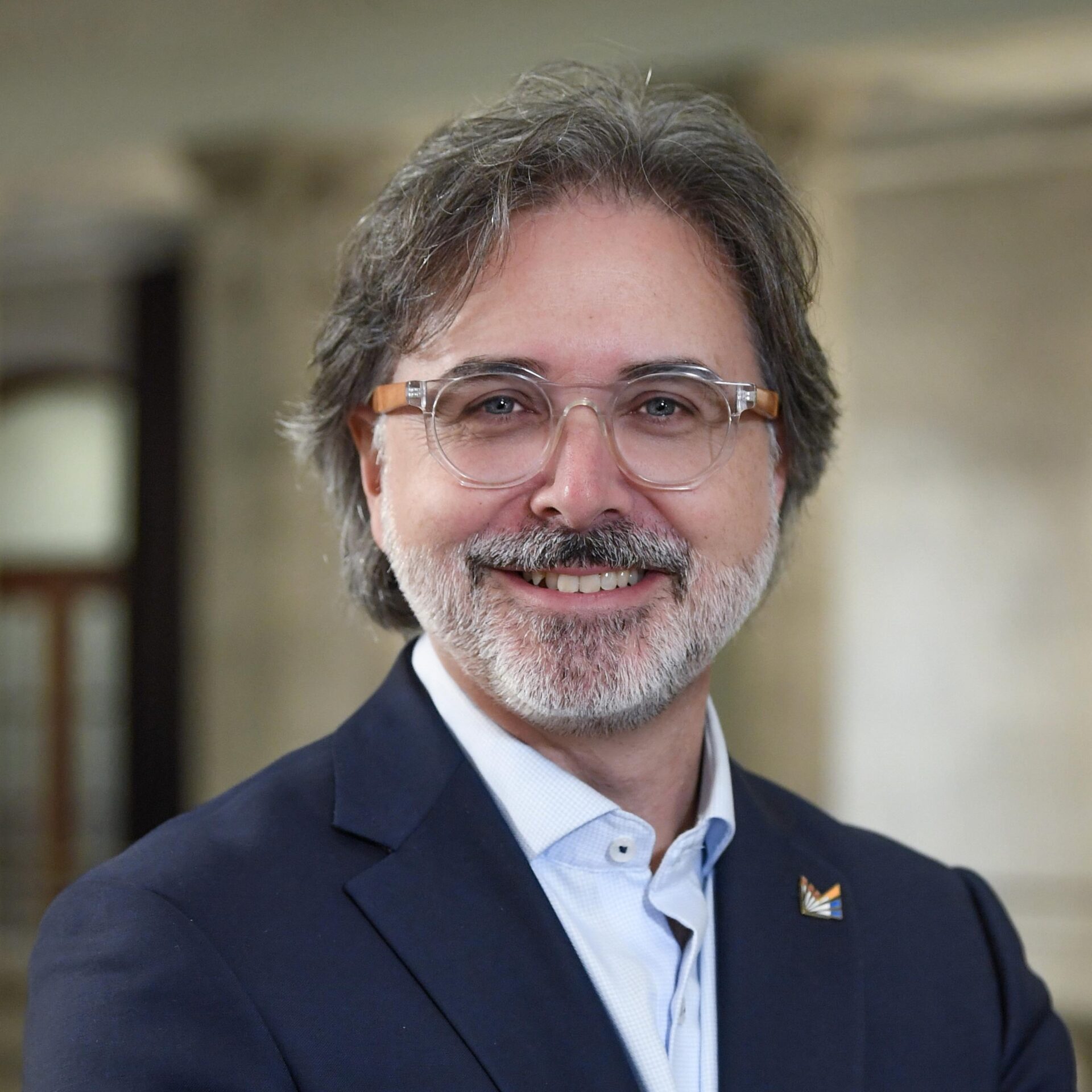
Julien Valmary
514 280-3585
julien.valmary@montreal.caJulien Valmary’s appointment as Executive Director of the Conseil des arts de Montréal is a testament to his longstanding commitment to artists, arts organizations and support for Montreal’s cultural sector. Since joining the Conseil in 2014, he has contributed to several of the organization’s most sweeping transformations and developed a thorough understanding of its mission, its partners and the realities facing arts communities. He has also played an active role in the development and implementation of several strategic plans, including the current 2026–2030 version, For the Arts, for the World.
Over the years, he has held the positions of Director of Support and Strategic Initiatives (2014–2022), Director of Support and Philanthropy (2022–2026) and Deputy Executive Director (2026). A recognized leader and strategist in public policy for the arts, he is one of the key architects behind the ongoing development of support programs, structural reforms and initiatives created to address the changing needs of the arts community. His work has contributed to developing new support mechanisms, modernizing evaluation and management practices, strengthening philanthropic partnerships and integrating equity, diversity, accessibility and socio-ecological principles into the Conseil’s actions.
True to his conviction that better-supported artists, stronger organizations and the representation of pluralistic perspectives are key to Montréal’s artistic vitality, Valmary has played a leading role in rolling out programs for Indigenous artists, Deaf artists and artists with disabilities, as well as in introducing measures that better address the needs of historically underfunded organizations. As an advocate for improving artists’ working conditions, he has consistently sought to align policies, programs and resources with realities on the ground. That commitment is particularly evident in his efforts to find solutions to challenges involving creative spaces and artists’ studios, in cooperation with the City of Montréal and cultural sector stakeholders.
As an influential voice in shaping the future of the cultural sector, Valmary is a frequent participant in roundtables, conferences, panels and professional activities across Québec and Canada. His contributions to research, consensus-building and advocacy efforts focus on cultural policies, artists’ socioeconomic conditions and strengthening social safeguards within the industry. As a co-founder and member of the Municipal Arts Funders Roundtable (MUNARTS), his participation in national networks and various academic and sector-specific initiatives demonstrate his commitment to advancing knowledge and practices for the benefit of the entire community.
Hailing from Toulouse, France, Valmary forged his career at renowned cultural institutions in France and Canada before joining the Conseil des arts de Montréal. He served successively as a board member of Théâtre de Cahors (2000–2002), La Place de la Danse – Centre de développement chorégraphique national Toulouse – Occitanie (2003–2005) and Tarragon Theatre in Toronto (2006–2008), and then as Director of Development and Communications at Théâtre français de Toronto (2008–2010), Deputy General Manager of the Segal Centre for Performing Arts in Montréal (2010–2012) and Head of Development, Fundraising and Foundations at Les Grands Ballets Canadiens (2013–2014). These experiences gave him an in-depth understanding of artistic creation, institutional development, arts funding and philanthropy.
Trained at the Institut d’études théâtrales at the Université Sorbonne Nouvelle (Paris 3) and at ENSATT – École nationale supérieure des arts et techniques du théâtre in performing arts administration, Valmary has over 25 years’ experience in the arts and culture sector. Throughout his career, he has sought to put institutions at the service of artistic creation, backed by the belief that culture is built as much on support for artists as it is on organizations’ ability to innovate, transform and take risks. Drawing on his strong attachment to art, creativity and their role in society, he now steps into the role of Executive Director of the Conseil des arts de Montréal with the same wish to support artistic audacity and ensure the necessary conditions are in place for creativity to thrive.
Julien Valmary is a member of the Public Policy Forum’s Action Canada cohort and serves on the Inspirit Foundation’s Board of Directors.